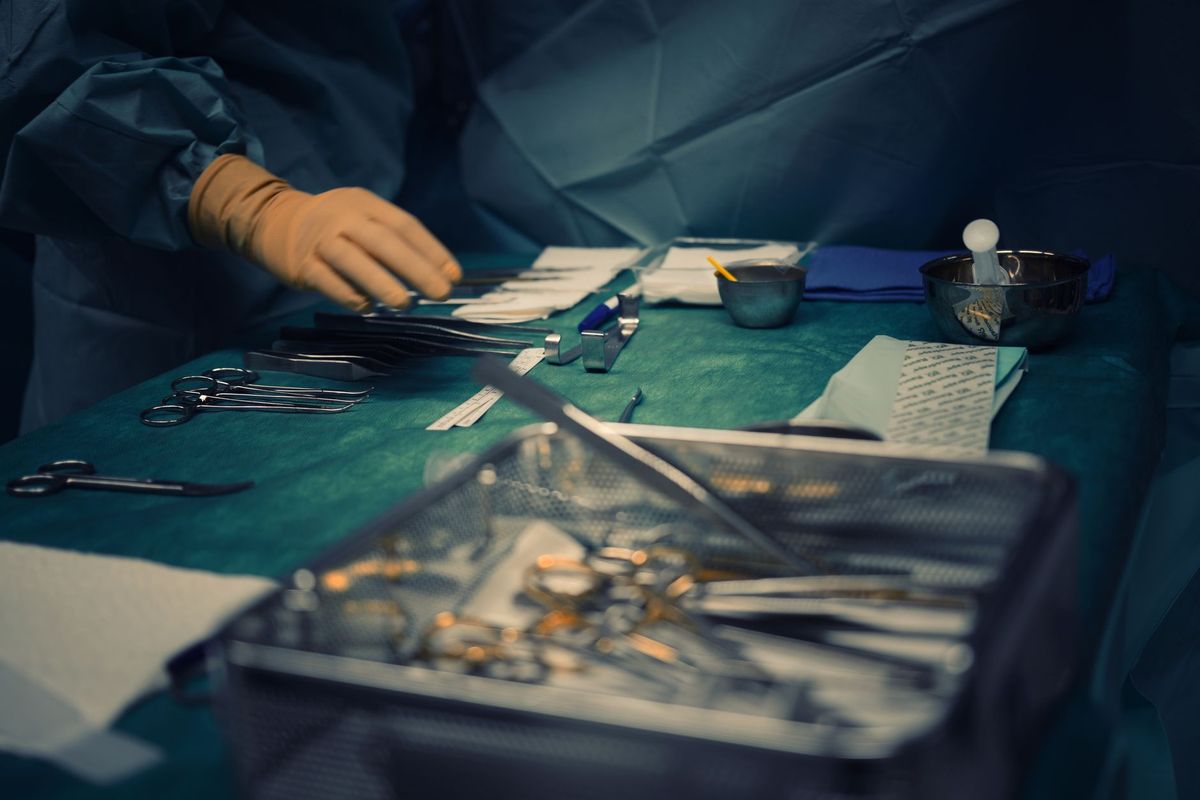
Why Hospital Preparedness Matters During Natural Disasters
Imagine being fast asleep under anesthesia, your life quite literally in the hands of a surgical team, when the floor beneath you suddenly begins to violently heave and roll. It sounds like a terrifying scene straight out of a disaster movie, but for patients and medical staff at Kumamoto General Hospital in Japan, it was a sudden, heart-stopping reality. When a magnitude 6.8 earthquake struck last month, security camera footage captured a moment that instantly went viral: doctors and nurses instinctively throwing their bodies over a patient on the operating table to protect them from falling debris and violent tremors.
This striking piece of footage does more than just capture a moment of sheer human bravery; it highlights a critical intersection between sudden natural disasters and modern healthcare infrastructure. Earthquakes do not wait for surgical incisions to be closed or sterile environments to be secured. When the earth moves, healthcare professionals must make split-second decisions that balance the immediate safety of the patient with the broader structural integrity of the hospital building itself. It forces us to look past the routine of daily medicine and examine the profound physical and logistical vulnerabilities inherent in emergency healthcare settings.
For anyone working in or visiting a medical facility, witnessing such footage serves as a stark reminder that safety protocols go far beyond handwashing and medication checks. Public health planning must account for the unimaginable, ensuring that acute care settings are as resilient to seismic shocks as they are to infectious diseases. The resilience demonstrated by the Kumamoto medical staff underscores the immense pressure placed on healthcare workers during crises, where they must act as both skilled clinicians and immediate disaster responders.
What the Latest Security Footage Actually Reveals
The viral video from Kumamoto General Hospital offers a rare, unfiltered look at the chaos that unfolds behind closed operating room doors during a major seismic event. Unlike office buildings where occupants can immediately drop, cover, and hold under sturdy desks, an operating room presents a unique logistical nightmare. Heavy surgical lights swing dangerously from ceilings, complex anesthesia machines are mounted on wheels, and a patient is completely incapacitated on a sterile table. The footage shows medical personnel abandoning their own instinct to seek immediate cover, instead prioritizing the vulnerable body on the table above all else.
Experts analyzing the video have pointed out several key takeaways regarding how modern hospitals handle acute shocks:
- Immediate Physical Shielding: Staff instinctively used their own torsos to absorb potential impacts from falling ceiling tiles or shaking equipment.
- Maintaining Sterility Compromises: In a true emergency, sterile protocol takes a backseat to basic physical survival, though teams work quickly to re-secure the patient once the initial tremor subsides.
- Equipment Stability: The footage sparks ongoing debates among facility managers regarding how surgical pendants and heavy machinery are anchored to ceilings and floors.
Ultimately, this footage bridges the gap between abstract public health disaster planning and the raw, emotional reality of clinical practice. It reminds the public that medical professionals undergo rigorous mental conditioning to handle unpredictable environments, transforming a routine Tuesday procedure into a masterclass in crisis management.
Key Protocols for Medical Facilities in Seismic Zones
Living and practicing medicine in earthquake-prone regions like Japan requires a level of infrastructural engineering and procedural readiness that most of the world never has to consider. Hospitals are not built like standard commercial buildings; they are critical public health assets designed to remain operational long after the shaking stops. Engineers utilize advanced base-isolation technologies—massive rubber and steel pads beneath the foundation—to absorb seismic energy and minimize the violent swaying felt on upper floors.
Inside the hospital, safety protocols dictate specific actions for every department when a tremor hits:
- Operating Rooms: Surgical teams must stabilize the patient, protect open wounds if possible, and hold onto the operating table or move under reinforced doorframes if movement is impossible.
- Critical Care Units: Nurses immediately secure mechanically ventilated patients, ensuring backup battery power systems engage instantly if the primary grid fails.
- Emergency Response Commands: Incident command centers activate within seconds, assessing structural damage, gas line integrity, and patient surge capacity.
These multi-layered defense systems are the backbone of modern hospital safety. They ensure that even when nature strikes without warning, the healthcare infrastructure is designed to bend rather than break, protecting both the healers and the healed.
Common Misunderstandings About Earthquake Safety in Healthcare
When dramatic videos of hospital emergencies circulate online, viewers often form misconceptions about how medical facilities operate during natural disasters. One common myth is that hospitals can easily evacuate patients the moment an earthquake strikes. In reality, moving a patient hooked up to life support, intravenous medications, or post-surgical drains during active shaking is often far more dangerous than keeping them sheltered in place. Evacuation is a measured, secondary step taken only after the structural integrity of the building has been thoroughly evaluated by facility engineers.
Another widespread misunderstanding involves the assumption that modern technology makes human intervention obsolete during a crisis. While automated shut-off valves for medical gases and smart structural sensors are invaluable, they cannot replace the split-second judgment of human staff. The Kumamoto footage proves that technology is only as good as the people operating it. Equipment can fail, power grids can collapse, and automated systems can experience glitches, leaving human empathy, physical courage, and rapid problem-solving as the ultimate safety net for patients.
Practical Takeaways for Public Health and Emergency Preparedness
The harrowing incident in Kumamoto serves as an essential case study for public health officials, hospital administrators, and emergency planners worldwide. As climate change and geological shifts continue to challenge global infrastructure, preparedness cannot remain a secondary priority. Every medical facility must regularly audit its physical plant, conduct realistic seismic simulations, and ensure that staff across all departments—from administrative clerks to lead surgeons—are thoroughly drilled in emergency response protocols.
For the general public, understanding these dynamics fosters a deeper appreciation for the immense risks healthcare workers navigate daily. It also emphasizes the importance of community-level disaster readiness, ensuring that local populations know how to respond during crises so that emergency rooms are not overwhelmed by preventable injuries when every second counts.
Frequently Asked Questions
Question: How do surgeons protect patients during a major earthquake?
Answer: When an earthquake strikes an operating room, surgeons and nurses immediately prioritize the physical safety of the patient by using their own bodies to shield them from falling debris, holding onto the mobile operating table, and pausing surgical procedures until the shaking subsides.
Question: Are operating tables bolted to the floor to prevent movement?
Answer: Many modern operating tables are heavy and designed to remain stable, but not all are permanently bolted down because they need flexibility for various surgical setups. However, surrounding equipment like lights, monitors, and anesthesia carts are heavily reinforced to prevent tipping.
Question: What happens to ongoing surgeries if the power goes out during a quake?
Answer: Hospitals are equipped with automated backup generators that kick in within seconds of a grid failure, ensuring that critical life-support machines, surgical lighting, and monitoring equipment experience no dangerous interruption in power.
Question: Can patients be safely evacuated from a hospital during an active earthquake?
Answer: Generally, no. Evacuating patients during active tremors is extremely hazardous due to the risk of falling debris, blocked stairwells, and the disruption of life-support equipment. Sheltering in place is the standard protocol until the shaking stops and damage assessments are completed.
Final Thoughts
The image of dedicated medical staff shielding a patient during a sudden magnitude 6.8 earthquake is a powerful testament to the selflessness embedded in the medical profession. It bridges the gap between complex engineering marvels and the simple, human act of protecting another person from harm. While we cannot always predict when or where the earth will shake, we can continue to strengthen our hospitals, refine our emergency protocols, and honor the extraordinary commitment of healthcare workers who stand ready when disaster strikes.
Stay informed on the latest medical research, public health insights, and wellness updates by bookmarking Health Pulse Daily. Share this story with someone who values healthcare resilience, and check back regularly for breaking news and safety developments.