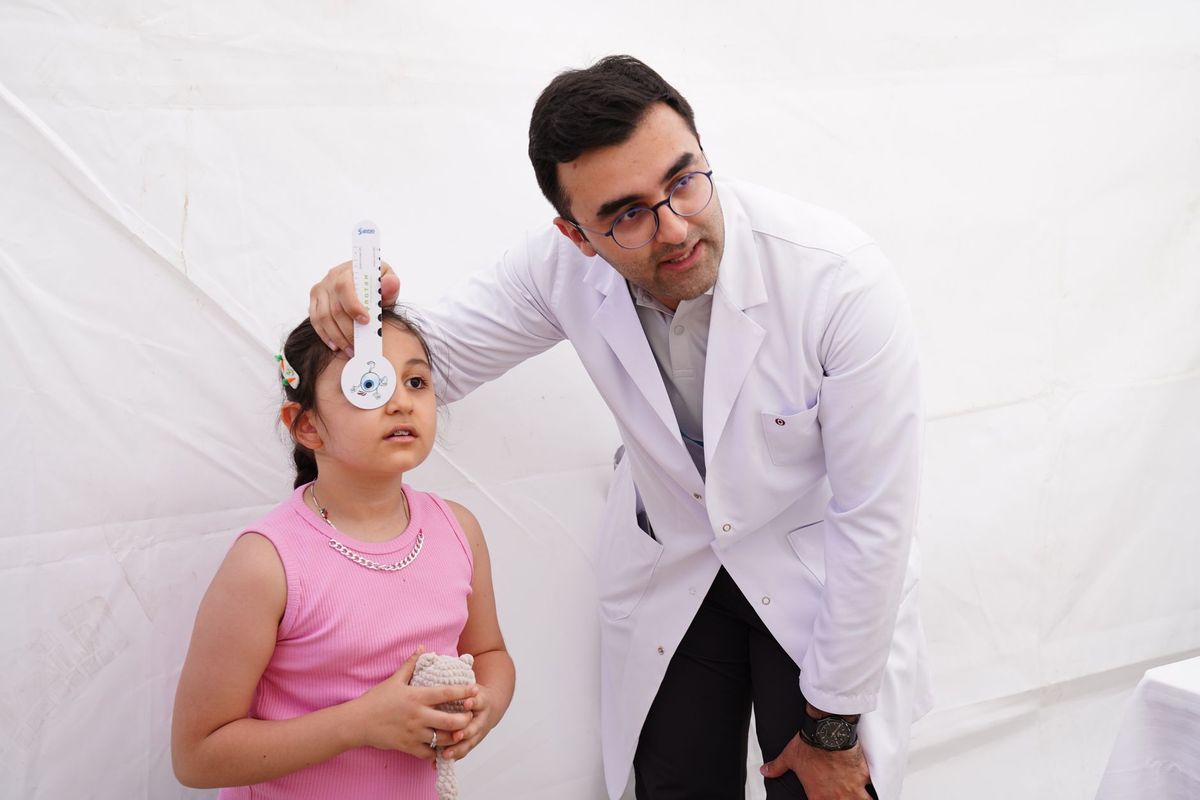
Every single year, health authorities roll out campaigns encouraging people to get their annual flu vaccination. Yet, many of us still brush it off as a minor inconvenience for a minor illness, forgetting that influenza is a serious viral infection capable of overwhelming even a healthy immune system. Behind the statistics are real stories of vulnerable individuals who slip through the cracks of a complex medical system when basic preventative care is overlooked. When vital public health agencies face cutbacks, or when medical research struggles to bridge the gap into everyday doctor’s offices, the consequences can be tragic. Understanding why this routine injection matters so much is the first step in protecting not just yourself, but everyone around you.
Why Prevention Still Matters More Than Cure
In modern medicine, we often wait for things to go wrong before we throw advanced technology and costly specialist care at a problem. However, public health experts consistently remind us that prevention remains our strongest shield against widespread disease. Vaccines are designed to train your immune system to recognize and fight off pathogens before they can cause severe illness, hospitalization, or worse. When a healthcare system focuses too heavily on reactive treatment rather than proactive wellness, everyday preventative measures like immunizations can easily take a backseat.
This shift in focus can create dangerous blind spots in community health. While specialized medicine and cutting-edge hospital treatments save countless lives every day, they cannot always undo the damage caused by a completely preventable infection. A simple preventative vaccine acts as a foundational safety net, keeping hospitals from overcrowding during peak viral seasons and protecting individuals who cannot receive vaccines themselves.
Moreover, the logistics of distributing these life-saving tools rely heavily on robust public health infrastructure. Agencies dedicated to translating medical research into practical clinical guidelines ensure that doctors have the resources and education needed to advocate strongly for preventative care. When those institutional links weaken, patients often suffer the consequences.
Understanding the Real Threat of Influenza
It is easy to downplay the flu because most people recover after a miserable week in bed. However, influenza is not just a bad cold. It is a dynamic respiratory virus that causes widespread inflammation, attacks lung tissue, and can severely compromise cardiovascular health. For older adults, individuals with chronic medical conditions, and those with weakened immune systems, catching the flu can quickly trigger a cascade of life-threatening complications.
When specialists focus entirely on managing a patient’s rare or chronic conditions, routine preventative care can sometimes fall outside their immediate purview. This creates a dangerous fragmentation in modern medicine. A patient might see cardiologists, neurologists, and endocrinologists, but if no one steps back to look at the big picture of basic wellness and immunization, simple oversights happen.
The danger is compounded by persistent myths surrounding the flu shot. Many people mistakenly believe the vaccine can give you the flu, or that it is entirely ineffective because the virus mutates. Public health education must continuously combat these misconceptions so patients feel confident asking for and receiving their annual shots.
The Vital Role of Public Health Infrastructure
Behind every vaccine campaign, safety guideline, and medical recommendation is a network of public health institutions working tirelessly behind the scenes. These agencies fund research, track viral strains across the globe, and determine how new medical discoveries safely reach everyday clinics and pharmacies. When funding or administrative support for these agencies is disrupted, the entire healthcare pipeline feels the shockwaves.
Public health is essentially preventative medicine on a macro scale. It looks at population trends, environmental factors, and systemic barriers to care to keep communities safe. Without strong oversight, valuable medical research can stall in academic journals rather than transforming into practical tools that save lives in local waiting rooms.
Key responsibilities of robust public health agencies include:
- Tracking emerging viral strains to formulate the most effective annual vaccines.
- Ensuring equitable access to preventative treatments across diverse socioeconomic communities.
- Translating complex scientific data into clear, actionable advice for primary care physicians.
- Deploying emergency resources and public awareness campaigns during severe outbreak seasons.
Bridging the Gap Between Specialists and Primary Care
Navigating the healthcare system can feel overwhelming, especially for patients managing complex, multi-system health conditions. When you are being passed between various specialists, it is easy to assume that someone else is keeping track of your overall preventative health schedule. Unfortunately, siloed medical care often means that basic vaccinations slip through the cracks of a busy chart.
Primary care physicians play an irreplaceable role in keeping your wellness routine up to date. They serve as the quarterback of your medical team, reviewing your chart holistically rather than focusing on a single organ system. If you see multiple specialists, it is important to take an active role in coordinating your care by asking your primary doctor about your vaccination status.
Here are a few ways you can bridge this gap yourself:
- Keep a personal or digital health record of all your recent vaccinations and preventative screenings.
- Ask every specialist you see whether your condition or medications require specific immunizations.
- Schedule your annual wellness visit with your primary care provider at the start of every flu season.
- Talk openly about any vaccine hesitancy or concerns you have so your doctor can provide accurate, evidence-based reassurance.
Practical Takeaways for Your Health Journey
Taking charge of your health means looking beyond immediate symptoms and prioritizing foundational preventative habits. While medical research and public health policies are constantly evolving, your personal commitment to staying up-to-date on routine care remains one of the best defenses you have. Do not wait for a health scare to take preventative medicine seriously.
If you or a loved one are managing chronic illnesses, make immunization a central topic of conversation at your next medical appointment. Speak up, ask questions, and ensure that your healthcare providers are looking at your overall wellness, not just your individual symptoms. A small preventive step today can make all the difference tomorrow.
Frequently Asked Questions
Can the flu shot actually give you the influenza virus?
Answer: No, the flu shot cannot give you the flu. Injectable flu vaccines are made using either inactivated (killed) viruses or a single protein from the virus, neither of which is capable of causing infection. You might experience mild side effects like a sore arm or a low-grade fever for a day, but this is simply your immune system building a healthy response.
Why do I need a flu shot every single year?
Answer: Influenza viruses mutate and evolve rapidly from year to year. Because of this constant shifting, vaccine manufacturers update the formula annually to protect against the specific strains predicted to be most common. Furthermore, immunity from the previous year’s vaccine naturally wanes over time.
What should I do if I see multiple specialists for chronic health conditions?
Answer: Always maintain a strong relationship with a primary care physician who can oversee your comprehensive health plan. Bring a list of all your current medications and health concerns to every appointment, and explicitly ask your doctors which preventative vaccines are safe and recommended for your specific situation.
Final Thoughts
The tragic reality of preventable illnesses highlights just how fragile our healthcare safety nets can be. When basic public health measures are undervalued or overlooked, the human cost is immeasurable. By staying informed, advocating for comprehensive care, and prioritizing preventative tools like the annual flu shot, we can protect ourselves and build a more resilient community.
Stay informed about public health updates and medical research by bookmarking Health Pulse Daily. Share this article with someone you care about to help spread awareness about the life-saving power of preventative care.