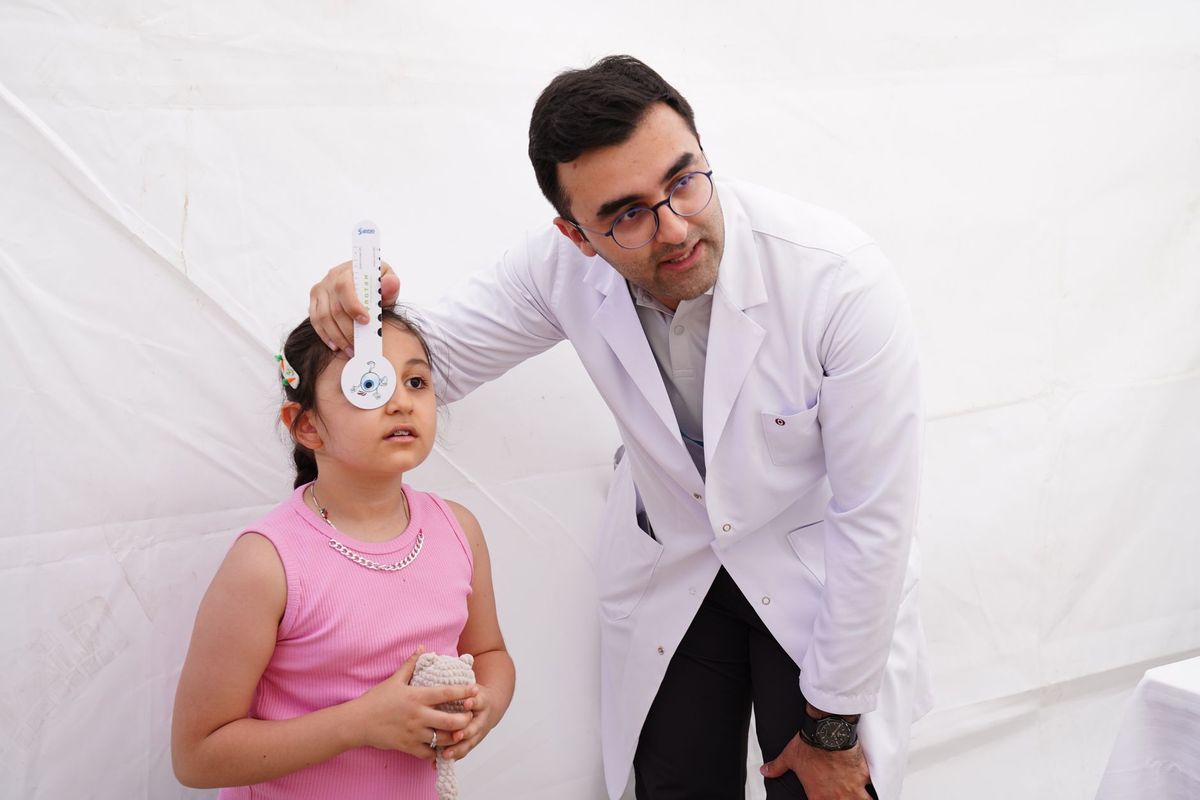
When an aggressive wave of mosquito-borne illness sweeps through a bustling metropolis, the fallout can quickly overwhelm local clinics, strain public health resources, and leave residents feeling entirely defenseless in their own backyards. Just two years ago, the vibrant city of Belém in northern Brazil found itself on the front lines of a severe dengue outbreak that tested the limits of its medical infrastructure. Instead of accepting the crisis as an inevitable seasonal burden, municipal leaders, healthcare workers, and everyday citizens banded together to mount an all-out strategic defense. Today, that intensive public health campaign has dramatically driven down infection rates, turning a regional struggle into a masterclass in urban disease control that modern American cities can learn a tremendous amount from.
Why This Threat Persists in Modern Cities
Mosquitoes might seem like a mere seasonal annoyance at backyard barbecues, but from a public health perspective, they remain one of the most efficient disease vectors on the planet. Urban environments provide an ideal ecosystem for species like Aedes aegypti, which thrive in close proximity to human populations. Potted plants, clogged gutters, discarded containers, and underground drainage systems all offer prime breeding grounds right outside our front doors.
As global temperatures shift and urban centers grow denser, the geographical range of these disease-carrying insects continues to expand. Cities that historically never had to worry about tropical illnesses are now finding themselves vulnerable. Understanding how a mosquito population operates within a concrete jungle is the first step toward effective prevention, making it clear why traditional pest control methods are no longer enough on their own.
Furthermore, public awareness plays a massive role in whether an outbreak escalates or stays contained. When communities do not realize how quickly a tiny bottle cap filled with rainwater can turn into a nursery for hundreds of larvae, localized transmission rates can skyrocket within a matter of weeks. Bridging the gap between municipal sanitation efforts and neighborhood-level awareness is essential for stopping outbreaks before they start.
What the Latest Urban Strategies Actually Entail
Fighting a widespread vector-borne disease requires much more than simply spraying insecticides from the back of a truck. Modern public health initiatives rely on a multi-layered approach often referred to as integrated vector management. This strategy combines biological controls, community outreach, advanced epidemiological mapping, and targeted sanitation efforts to drastically reduce mosquito populations.
- Targeted Surveillance: Public health workers monitor mosquito traps and infection data to identify hotspots before an outbreak explodes.
- Community Mobilization: Local volunteers go door-to-door to educate residents and help eliminate standing water on private property.
- Biological Innovations: Introducing eco-friendly solutions, such as larvicides or sterile insect techniques, to safely curb reproduction rates.
By shifting the focus from reactive treatment to proactive prevention, cities can save countless healthcare dollars and protect vulnerable populations. It turns out that the most effective weapon against a microscopic threat is a well-coordinated human network.
Key Lessons for North American Public Health
While the tropical climate of northern Brazil differs significantly from many North American urban centers, the underlying principles of effective outbreak response remain universally applicable. Cities across the United States are increasingly facing threats from West Nile virus, Zika, and localized dengue transmissions, making proactive municipal planning more urgent than ever.
One major takeaway from successful international campaigns is the importance of cross-sector collaboration. Medical researchers, municipal sanitation departments, and local community groups must communicate in real time. When data flows freely between hospitals tracking fevers and sanitation crews tracking standing water, public health interventions become vastly more precise and efficient.
- Invest in robust, year-round mosquito surveillance rather than panic-spraying only during peak summer months.
- Empower neighborhood groups to take ownership of local environmental hygiene and sanitation.
- Improve public communication channels so residents receive timely, actionable health alerts.
- Support ongoing medical research into new vaccines and vector control technologies.
Common Mistakes and Misunderstandings
When people think about protecting themselves from mosquitoes, they often rely on outdated advice or unproven quick fixes. One of the most common misconceptions is that a quick spray of standard bug repellent is all it takes to guarantee total safety. While repellents containing DEET, picaridin, or oil of lemon eucalyptus are effective for personal protection, they do nothing to address the broader breeding population lurking around the neighborhood.
Another frequent error is assuming that mosquito season ends completely with the arrival of cooler autumn weather. Depending on the species, eggs can lie dormant through dry spells or mild winters, hatching the moment conditions become favorable again. Consistency is key when it comes to property maintenance and community-wide prevention.
Finally, relying solely on municipal governments to solve the problem is a recipe for frustration. Because a significant percentage of mosquito breeding sites are located on private residential properties, public health workers simply cannot reach them without the cooperation of homeowners and tenants. Collective responsibility is non-negotiable.
Practical Takeaways for Your Home and Community
You do not have to wait for a municipal health emergency to start protecting your family and neighborhood. Taking simple, proactive steps around your own home can make a noticeable dent in the local mosquito population while supporting broader public health goals.
Start by doing a weekly sweep of your property to dump out any standing water in birdbaths, plant saucers, discarded tires, and children’s toys. Ensure that your window and door screens are free of tears, and consider wearing long sleeves and pants during peak mosquito feeding times at dawn and dusk. If you notice a neglected public space or a major drainage issue in your neighborhood, do not hesitate to report it to your local public health department. Every small action adds up to a healthier, safer community for everyone.
Frequently Asked Questions
What are the early symptoms of dengue and other mosquito-borne illnesses?
Common symptoms often include a sudden high fever, severe headache, pain behind the eyes, joint and muscle pain, fatigue, and a mild skin rash. If you develop a fever after traveling or during a local outbreak advisory, it is important to contact a healthcare provider promptly.
How often should I check my yard for standing water?
Public health experts recommend conducting a thorough inspection of your property at least once a week. Mosquitoes can complete their entire life cycle from egg to adult in as little as seven to ten days in warm weather.
Are natural repellents as effective as chemical ones?
Some natural oils, such as oil of lemon eucalyptus, offer proven protection for shorter periods. However, for areas with active disease transmission, Centers for Disease Control and Prevention (CDC) guidelines generally recommend EPA-registered active ingredients like DEET or picaridin for maximum safety.
Can mosquitoes transmit illnesses in cooler climates?
Yes, while peak activity usually occurs during warm summer and rainy months, certain mosquito species can adapt or transmit viruses whenever temperatures remain mild enough for them to be active.
Final Thoughts
The remarkable efforts in cities like Belém remind us that public health challenges, no matter how stubborn they may seem, can be successfully managed through strategic planning, community engagement, and science-backed interventions. As our climate changes and urban environments continue to evolve, staying informed about vector control is no longer optional—it is a vital part of modern wellness and community resilience. By adopting proactive habits at home and supporting robust public health initiatives, we can all help keep our communities safer and healthier.
Want to stay ahead of the latest medical research, wellness updates, and public health breakthroughs? Bookmark Health Pulse Daily and subscribe to our free newsletter today so you never miss an essential update.