Why This Matters Right Now
Europe is facing yet another punishing heat wave, marking the fifth major surge of extreme temperatures since May. This relentless cycle of scorching weather is more than just an inconvenience for vacationers and locals; it represents a serious public health emergency. When temperatures refuse to drop even after the sun goes down, our bodies are denied the natural recovery period needed to cope with severe heat. Public health officials are sounding the alarm as emergency rooms see an influx of heat-related illnesses.
High ambient temperatures force the human cardiovascular system to work overtime just to keep the core body temperature stable. For vulnerable populations, such as the elderly, young children, and those with pre-existing medical conditions, this physiological stress can quickly become life-threatening. Understanding the scope of these climate events helps us recognize that extreme heat is a systemic public health crisis requiring immediate attention, preventative action, and community resilience.
The cumulative effect of multiple heat waves in a single season also takes a heavy toll on mental health and overall wellness. Sleep disruption caused by stifling indoor temperatures leads to chronic fatigue, irritability, and heightened anxiety. Recognizing these hidden symptoms is crucial for maintaining both physical and mental equilibrium during prolonged periods of extreme weather.
What the Latest Update Actually Means
Meteorologists and public health researchers point out that the frequency and intensity of these summer heat domes are unprecedented in modern times. This is not just a temporary spike in the weather forecast; it points to a broader, ongoing shift in European climate patterns. Healthcare systems are being forced to adapt rapidly to manage heat-stroke cases, dehydration emergencies, and complications from chronic illnesses aggravated by smog and high temperatures.
When authorities issue red-level weather warnings, they are looking closely at metrics like nighttime low temperatures and relative humidity. High humidity prevents sweat from evaporating efficiently, which is the body’s primary cooling mechanism. Consequently, even moderate temperatures can feel hazardous when the air is thick with moisture. Medical professionals use these metrics to predict hospital admissions and mobilize emergency medical services ahead of peak heat hours.
For everyday citizens, these updates mean daily routines must change. Working outdoors, commuting, and even exercising safely require a complete rethinking of timing and hydration. Public health infrastructure is increasingly relying on digital alerts and community outreach to ensure vulnerable neighbors stay informed and protected.
Key Facts You Should Know
Extreme heat is often called a “silent killer” because its effects accumulate gradually before manifesting as a medical emergency. Unlike sudden natural disasters, heat waves give little visual indication of danger until individuals begin experiencing severe symptoms. Here are some critical facts regarding how extreme heat impacts the human body:
- Cardiovascular strain increases dramatically as the heart pumps faster to push blood to the skin for cooling.
- Dehydration can set in rapidly without heavy thirst cues, impairing kidney function and cognitive clarity.
- Urban heat islands—cities with dense asphalt and concrete—retain heat long after rural areas have cooled down.
- Medications for high blood pressure, depression, and allergies can interfere with the body’s natural temperature regulation.
Awareness of these factors is the first step toward effective prevention. Knowing how your environment and personal health profile interact with extreme temperatures allows you to take targeted protective measures long before you feel overheated.
Common Mistakes and Misunderstandings
During a severe heat wave, misinformation can put people at serious risk. Many individuals rely on outdated habits or false assumptions about how to stay cool. For instance, waiting until you feel thirsty to drink water is a major mistake; by the time thirst sets in, mild dehydration has already begun.
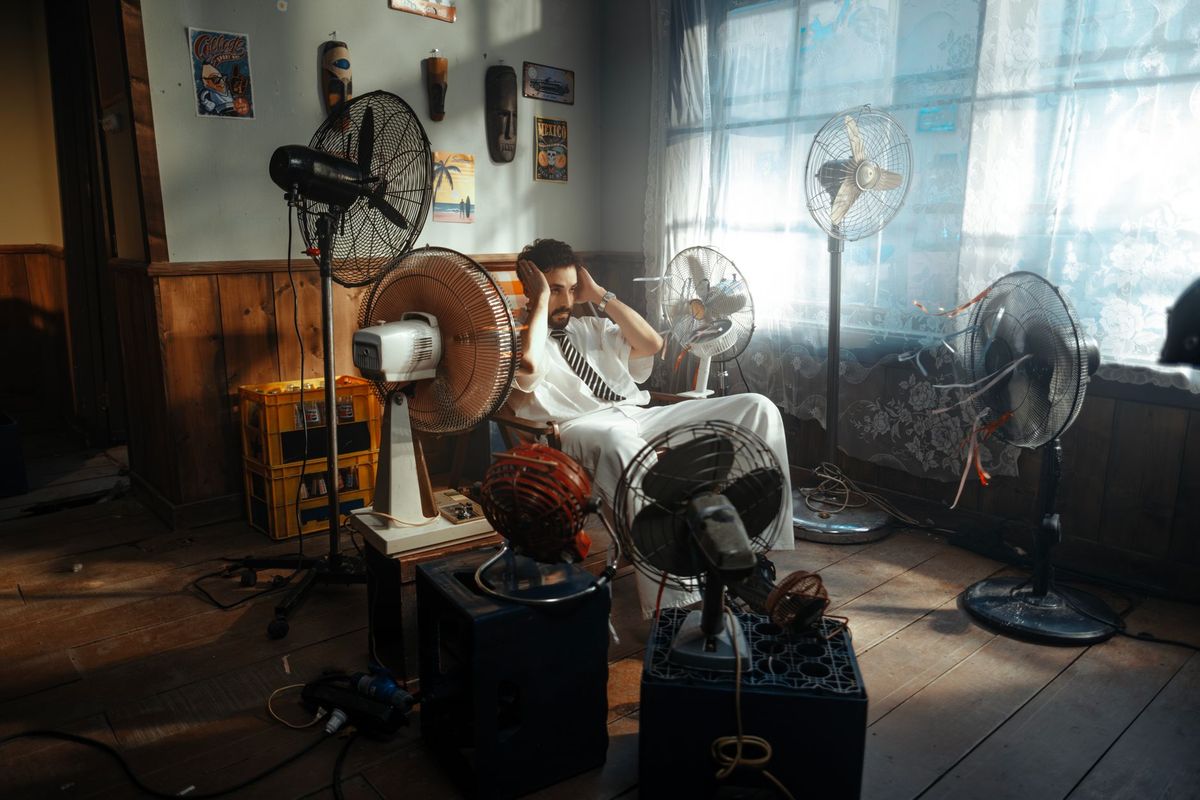
Another frequent error is relying on electric fans in closed, stifling rooms when temperatures exceed 35°C (95°F). While fans circulate air, they do not lower ambient room temperature and can actually accelerate dehydration by evaporating sweat too quickly when the air is hotter than the human body. Air conditioning, shifting to cooler rooms, or using damp cloths are far more effective cooling strategies.
Finally, many people underestimate the danger of physical exertion during peak afternoon hours. Jogging, gardening, or strenuous chores should be restricted to the early morning or late evening when solar radiation is at its lowest. Protecting yourself requires discarding false notions of invulnerability and respecting the physiological limits imposed by extreme weather.
Practical Takeaways
Navigating prolonged heat waves successfully comes down to preparation, daily vigilance, and looking out for your community. Implementing a few evidence-based habits can dramatically reduce your risk of heat-related illness:
- Hydrate consistently throughout the day with water and electrolyte-rich beverages, avoiding excessive caffeine and alcohol.
- Keep your living space cool by closing blinds and curtains during peak sunlight hours and opening windows only when the outside air drops at night.
- Check in regularly on elderly relatives, neighbors, and anyone living alone who may lack air conditioning or mobility.
- Recognize the early signs of heat exhaustion—such as heavy sweating, weakness, dizziness, or nausea—and move to a shaded, air-conditioned area immediately.
By integrating these steps into your routine, you safeguard your health while helping to build a more resilient community response to recurring climate challenges.
Frequently Asked Questions
What is the difference between heat exhaustion and heat stroke?
Heat exhaustion is a milder condition characterized by heavy sweating, rapid pulse, dizziness, and muscle cramps. It can usually be resolved by moving to a cool place, drinking water, and resting. Heat stroke, however, is a life-threatening medical emergency where the body’s temperature regulation fails completely, causing body temperatures to rise above 103°F, confusion, and loss of consciousness. It requires immediate emergency medical intervention.
Who is most at risk during a severe heat wave?
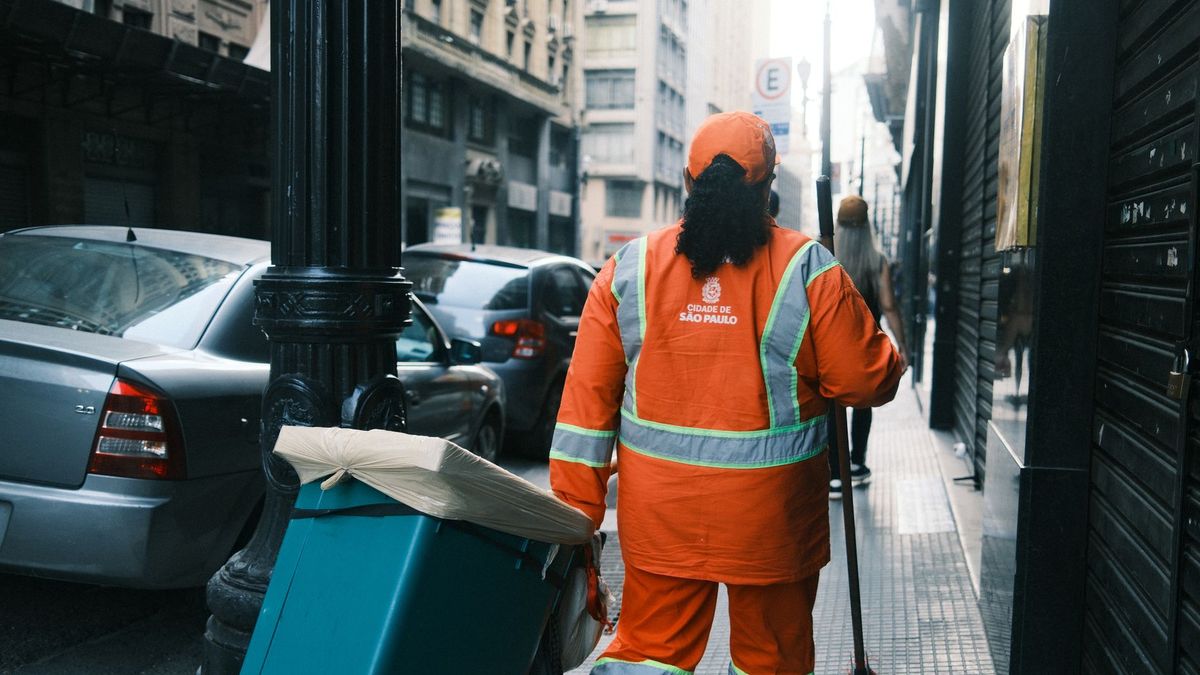
Adults over the age of 65, infants and young children, pregnant women, and individuals with chronic conditions like heart disease, diabetes, or respiratory illnesses are at the highest risk. Additionally, outdoor workers and people experiencing homelessness face heightened danger due to prolonged exposure.
How can I cool my home without air conditioning?
You can lower indoor temperatures by keeping windows and curtains closed during the hottest part of the day, using cross-ventilation at night when it cools down, placing a bowl of ice in front of a fan to create a chilled breeze, and wearing loose, breathable cotton clothing.
Can certain medications make heat waves more dangerous?
Yes. Diuretics, antihistamines, beta-blockers, and certain psychiatric medications can affect hydration levels, sweating capacity, or the body’s ability to regulate its internal temperature. Consult your doctor or pharmacist if you take regular medications during extreme heat events.
Final Thoughts
As extreme weather events become an increasingly frequent reality across Europe and the globe, adapting our public health strategies and personal habits is essential. Surviving these intense heat waves requires a shift away from viewing them as isolated weather anomalies and toward treating them as recurring public health challenges that demand preparedness and mutual care.
Stay informed, take proactive steps to protect yourself and your loved ones, and never hesitate to check on those who may be struggling in the heat. Bookmark Health Pulse Daily and subscribe to our newsletter for ongoing medical research updates, wellness tips, and breaking public health insights to keep you safe all year round.