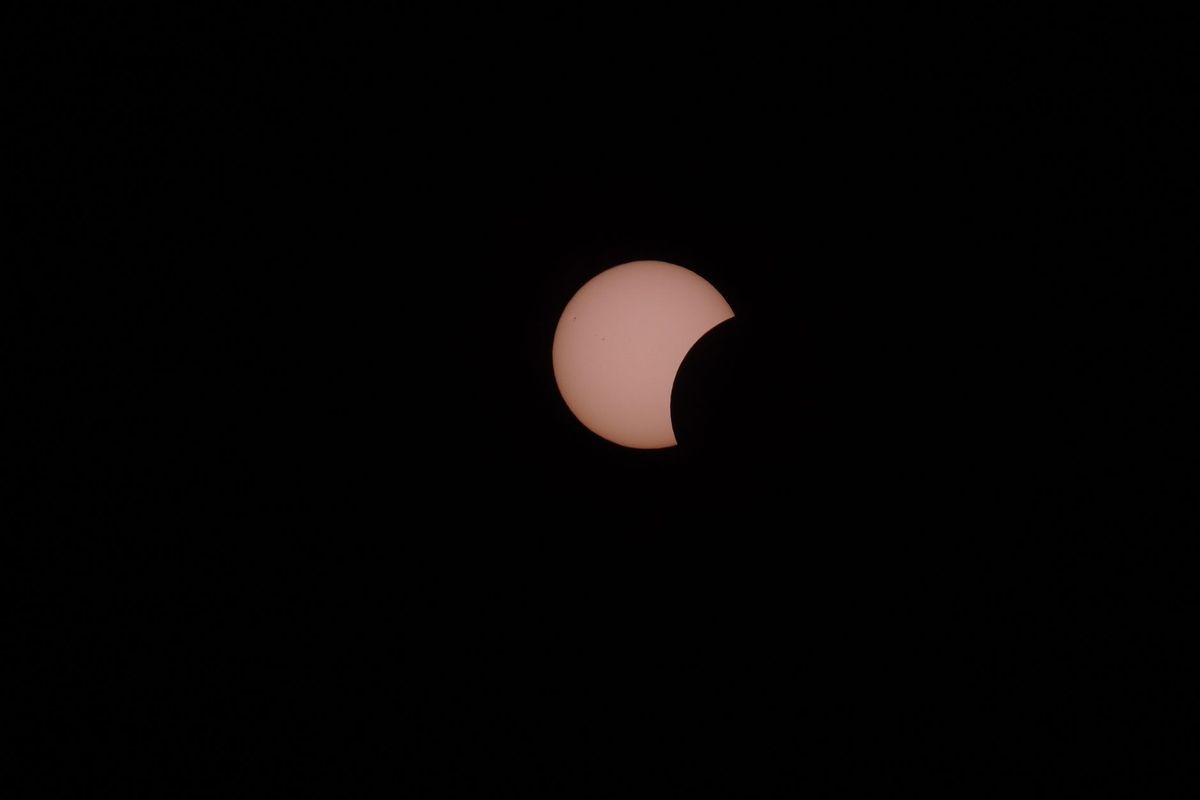
When the moon completely blocks the face of the sun, plunging a daytime landscape into an eerie twilight, the visual spectacle is hard to overstate. Yet beyond the jaw-dropping photography and the chorus of cheering crowds, a total solar eclipse triggers a fascinating cascade of physiological and psychological reactions in humans. You might assume the sudden midday darkness is just a cool visual trick, but our bodies are deeply wired to the solar cycle in ways we are only beginning to fully appreciate. Understanding how these rare cosmic events impact our nervous system, our mood, and even public safety offers a unique lens through which to view human wellness.
Why Solar Eclipses Catch Our Biology Off Guard
For millennia, humans and our evolutionary ancestors relied heavily on the predictable rhythm of daylight and darkness to regulate internal clocks. When a total solar eclipse arrives, it short-circuits this deeply ingrained biological programming in a matter of minutes. The sudden drop in light and temperature signals the brain that night is falling prematurely, creating a brief yet intense moment of sensory confusion.
This rapid shift stimulates the autonomic nervous system, often triggering a subtle surge of adrenaline or a heightened state of alertness. While modern science assures us that the sun will return in a few short minutes, our ancient neural pathways do not always get the memo immediately. That lingering primal jolt is precisely why so many people report feeling an electric, almost breathless energy during totality.
Furthermore, the psychological impact of witnessing such a vast cosmic scale cannot be understated. Psychologists frequently note that awe-inspiring natural events help reduce everyday stress by making our personal worries feel smaller in comparison. Stepping outside to witness the universe in motion provides an unintentional form of mindfulness that leaves many observers feeling grounded yet revitalized.
The Surprising Shift in Ambient Temperature and Wildlife Behavior
As the moon edges closer to totality, you will notice more than just a dimming sky; the ambient air temperature can plummet rapidly by several degrees. This sudden thermal drop happens because the earth loses its primary source of radiant heat almost instantly. For your body, stepping from warm sunlight into a sudden chill adds an extra layer of sensory input that heightens the overall intensity of the event.
Alongside human reactions, local wildlife undergoes a distinct behavioral shift during the darkness:
- Diurnal birds often stop singing and head toward their roosts, confused by the unexpected sunset.
- Nocturnal creatures, such as crickets and bats, may begin their evening calls and hunting routines.
- Domestic pets like dogs and cats can exhibit mild anxiety or confusion due to the erratic environmental cues.
- Livestock often gather together as they would when preparing for a normal overnight rest period.
Observing these rapid shifts in nature reminds us just how interconnected all living organisms are with the daily cycle of solar radiation. It is a living laboratory lesson in biology and environmental science rolled into one breathtaking afternoon.
Public Health and Safety Considerations During Major Celestial Events
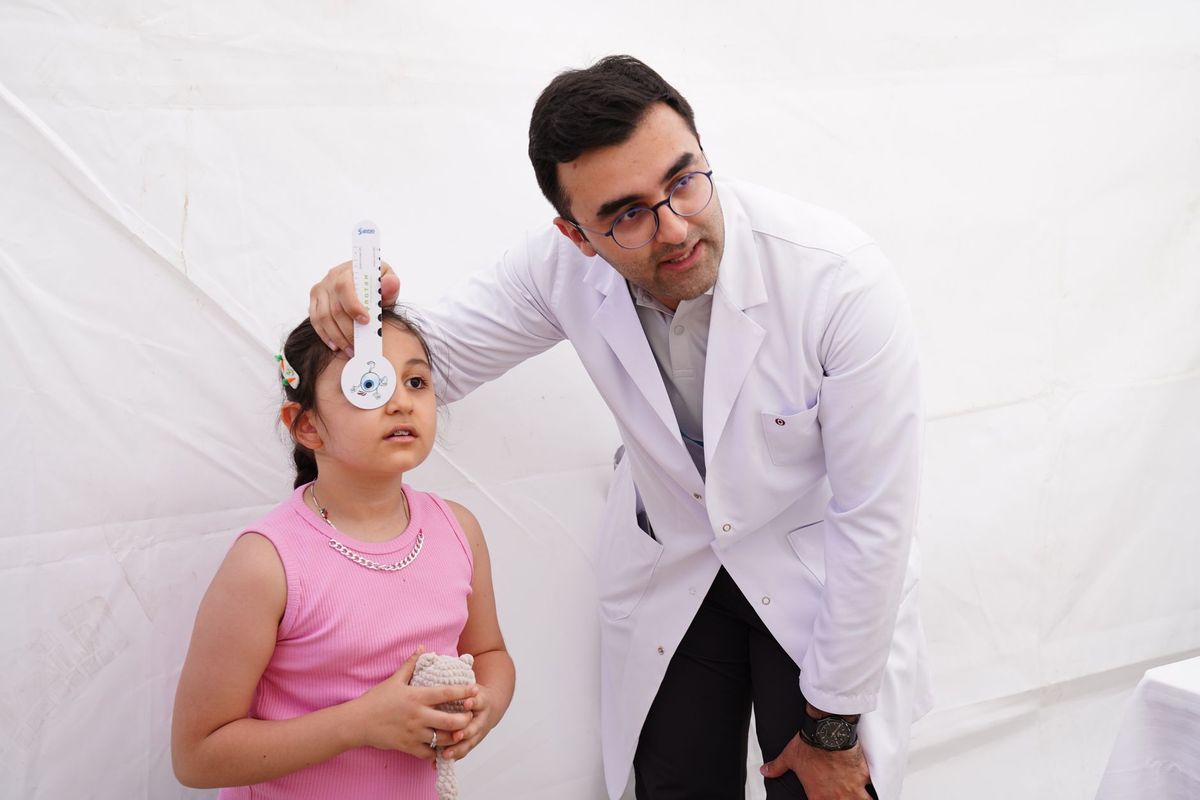
While looking inward at our psychological and physiological responses is fascinating, public health officials must focus heavily on the physical risks associated with eclipse viewing. The most critical medical concern during any solar event is protecting your vision. Staring directly at the sun—even when it is partially obscured by the moon—can cause irreversible retinal damage known as solar retinopathy.
Because the sun’s corona does not emit the blinding visible light that normally forces our eyes to avert their gaze, people often mistakenly believe it is safe to look without protection during partial phases. Public health campaigns consistently emphasize the necessity of certified ISO-compliant solar viewing glasses. Without them, the temptation to catch a glimpse of the phenomenon can lead to lasting medical consequences.
Beyond eye safety, mass gatherings for eclipses present logistical public health challenges. Millions of travelers hitting the highways simultaneously can create severe traffic gridlock, straining emergency medical services and delaying critical care responses in rural viewing corridors. Planning ahead, staying hydrated, and packing basic medical supplies are essential wellness steps for anyone traveling to witness totality.
Common Myths and Misunderstandings About Eclipses
Throughout history, total solar eclipses have been fertile ground for superstition, folklore, and medical myths. Even in the modern era of advanced medical research, several persistent misconceptions continue to circulate every time a major eclipse makes headlines.
Can an eclipse harm pregnant women or unborn children?
One of the oldest superstitions claims that solar radiation during an eclipse is uniquely harmful to pregnant individuals. Modern science has thoroughly debunked this idea; an eclipse does not emit any mysterious or dangerous rays. The only physical danger remains the temptation to look directly at the sun with unprotected eyes.
Does the sudden darkness trigger widespread illness?
While the sudden drop in temperature can occasionally catch people off guard and lead to mild chills if they are underdressed, the event itself has no direct viral or bacterial pathogen links. Any physical fatigue you feel afterward is simply the result of travel exhaustion, excitement, and sensory overload.
Sorting medical facts from cultural folklore helps ensure that public health insights remain grounded in reality, allowing everyone to enjoy the wonder of the cosmos safely and peacefully.
Practical Takeaways for Your Next Cosmic Adventure
If you are planning to experience an upcoming eclipse, combining scientific curiosity with practical wellness preparation will ensure you get the most out of the event. Treat the day not just as a visual spectacle, but as an opportunity for mental reset and outdoor mindfulness.
- Secure certified solar viewing glasses well in advance to protect your eye health.
- Dress in layers to comfortably handle the sudden temperature drop during totality.
- Allow extra time for travel to avoid the stress of traffic congestion and crowded viewing areas.
- Take a moment during totality to disconnect from cameras and simply observe how your mind and body respond to the experience.
By blending an appreciation for medical safety with the sheer joy of public health observation, you can turn a rare celestial alignment into a deeply enriching wellness experience.
Frequently Asked Questions
Question: Can looking at a total solar eclipse cause permanent blindness?
Answer: Looking directly at the sun without proper eye protection during the partial phases of an eclipse can cause solar retinopathy, a form of retinal damage that can lead to permanent vision loss. However, it is completely safe to remove your solar filters during the brief period of absolute totality when the moon completely blocks the sun’s face.
Question: Why do animals behave strangely during a total solar eclipse?
Answer: Animals rely heavily on natural light cues to regulate their daily routines. The sudden drop in light and temperature tricks their internal biological clocks into believing night is falling prematurely, causing them to exhibit evening behaviors like roosting or huddling.
Question: Are there any proven physical health risks caused by solar eclipses?
Answer: Aside from the well-documented risk of eye damage from unsafe viewing practices, eclipses do not pose any direct physical health threats. The primary medical concerns during these events relate to travel fatigue, dehydration, and crowd-related stress.
Final Thoughts
Total solar eclipses remind us of our place in the vast cosmic machinery, offering a rare blend of scientific awe, environmental wonder, and physiological curiosity. While our ancestors viewed these events with fear, today we can appreciate them safely by balancing our enthusiasm with sound public health practices and proper eye protection. Whether you are traveling hundreds of miles to enter the path of totality or simply catching a glimpse from your backyard, taking a moment to notice how your mind and body react to the sudden twilight can be a surprisingly grounding wellness exercise.
If you enjoyed this breakdown of science and wellness, be sure to bookmark Health Pulse Daily and subscribe to our newsletter for more breaking health news, medical research updates, and public health insights delivered straight to your inbox.