When you think about community health, red carpet movie premieres and hometown cinemas might not be the first things that cross your mind. However, public health research increasingly shows that vibrant local communities, cultural engagement, and strong social ties play a massive role in our overall mental wellness and longevity. Cities like Austin, Texas, often make headlines for their unique culture and high-profile residents like Matthew McConaughey, but the underlying engine of that culture is community connection. Staying rooted in a supportive environment can significantly lower chronic stress and boost our resilience against daily life challenges.
The Science of Social Connection and Mental Health
Humans are hardwired for connection. When a community rallies around local landmarks, cultural arts, or neighborhood initiatives, it creates a psychological safety net for its residents. Research in public health consistently demonstrates that people with strong social ties have a lower risk of anxiety and depression compared to those who feel socially isolated.
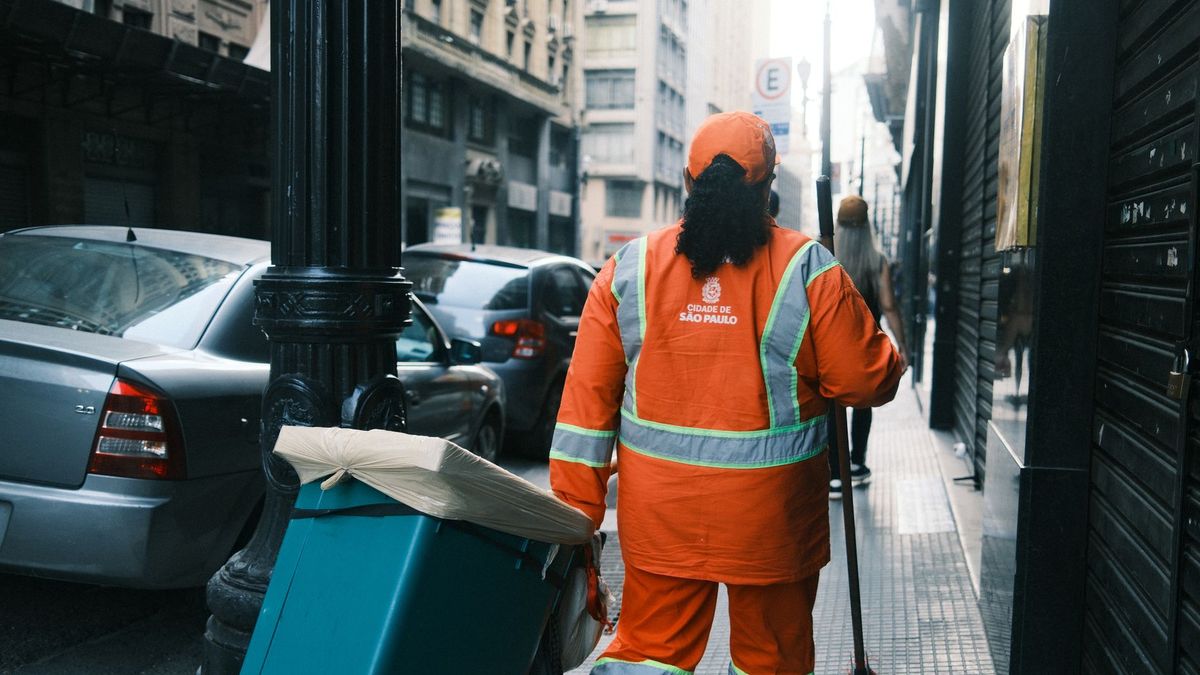
Engaging with your local community gives you a sense of belonging and purpose. Whether it is attending a local film screening, participating in a neighborhood clean-up, or supporting local businesses, these shared experiences trigger the release of oxytocin and dopamine. These neurochemicals naturally improve your mood and help counteract the physiological effects of chronic stress.
Furthermore, living in an active and culturally rich city encourages physical movement. When streets are walkable and community spaces are lively, you are far more likely to get outside, walk around, and stay active. Movement is medicine, and urban design that promotes community gathering naturally supports better physical health outcomes.
How Local Culture Shapes Public Wellness
Culture is not just about entertainment; it acts as a powerful medicine for the collective mind. Cities that celebrate local artists, filmmakers, and creators foster an environment of inspiration and shared identity. When a community honors its own, it cultivates a collective pride that trickles down into individual mental health.
Consider the benefits of cultural engagement for cognitive health:
- Emotional Regulation: Experiencing art, film, or music helps process complex emotions in a safe, detached way.
- Cognitive Stimulation: Engaging with diverse cultural events keeps the brain active and adaptable.
- Stress Reduction: Laughter shared during a comedy film or the awe felt during a drama lowers cortisol levels.
When local figures give back to their hometowns—such as through foundation work, health initiatives, or community building—they help bridge gaps in local public health resources. Celebrity influence, when channeled positively, can direct public attention toward vital health campaigns and wellness education.
Practical Ways to Build Local Community Wellness
You do not need to live in Austin or hang out with movie stars to reap the mental health benefits of a connected community. You can take active steps right where you are to improve your local environment and, by extension, your own well-being.
Here are a few ways to get started:
- Explore your local scene: Visit a neighborhood art walk, a local independent cinema, or a community theater to support local creators.
- Volunteer your time: Join a local health initiative, food bank, or community garden to meet like-minded people with shared values.
- Create micro-connections: Simply smile, say hello, or chat with your neighbors during your daily walk to build a sense of local familiarity.
- Support public spaces: Spend time in local parks and recreation centers, which are designed to promote both physical fitness and mental relaxation.
By investing your time locally, you actively combat the modern epidemic of loneliness. Building a personal village takes effort, but the payoff for your mental health is profound.
Common Misunderstandings About Wellness and Lifestyle
It is easy to fall into the trap of thinking that wellness is purely an individual responsibility. We are often bombarded with messages about buying the right supplements, following strict diets, or hitting specific fitness trackers goals entirely on our own. While personal habits matter, they only tell part of the story.
Public health experts emphasize the concept of the “social determinants of health.” Your zip code, your access to green spaces, the strength of your friendships, and the cultural vibrancy of your city profoundly dictate your overall life expectancy and disease risk. You cannot out-supplement a completely isolated, high-stress lifestyle.
Another common mistake is separating mental health from physical spaces. The architecture of our cities, the availability of public parks, and the presence of community hubs directly influence our behavior. Recognizing this helps us advocate for healthier urban planning and more supportive community environments.
Frequently Asked Questions
How does community engagement actually improve physical health?
Strong community ties reduce chronic psychological stress, which in turn lowers blood pressure, decreases inflammation, and supports a healthier immune system. People in supportive communities also tend to live longer because they have built-in support networks during medical emergencies.
Can watching movies or participating in the arts really count as wellness?
Yes. Cultural activities provide mental breaks, encourage emotional expression, and foster social bonding when done with others. Laughter, empathy, and shared storytelling are proven stress-reducers.
What if I live in a quiet area with little local culture?
You can create your own micro-community. Start a book club, organize a neighborhood walking group, or connect with local online wellness and hobby groups to foster the same psychological benefits.
Conclusion
Health is much more than the absence of disease—it is about how we live, connect, and thrive in our environments. Whether a city is celebrating its local film icons or investing in neighborhood green spaces, the underlying heartbeat of public wellness is community connection. By leaning into your local culture, supporting community spaces, and building genuine human relationships, you lay a solid foundation for lifelong mental and physical vitality.
If you enjoyed this public health insight, make sure to bookmark Health Pulse Daily and subscribe to our newsletter for the latest updates on medical research, wellness trends, and community health strategies.