Understanding the Rising Threat of Extreme Heat
When you think of the pressures facing the healthcare system, images of packed winter waiting rooms and flu outbreaks usually come to mind. However, shifting climate patterns are rewriting the rules of public health, turning scorching summer heatwaves into a logistical nightmare for medical facilities. Recent reports highlighting operational strains and equipment failures during extreme temperatures underscore a critical vulnerability in our healthcare infrastructure. When temperatures soar, hospitals and clinics aren’t just dealing with uncomfortable conditions; they are facing a surge in heat-related illnesses that rival traditional seasonal surges.
The human body operates within a very narrow thermal window, and when ambient temperatures remain dangerously high for days on end, physiological stress multiplies rapidly. Vulnerable populations—particularly older adults, individuals with pre-existing cardiovascular or respiratory conditions, and young children—bear the brunt of this environmental stress. Without proactive intervention, emergency departments quickly become overwhelmed, mirroring the intense strain traditionally reserved for the dead of winter.
Public health officials and medical researchers are now arguing that our approach to seasonal healthcare readiness needs a fundamental overhaul. Waiting for a heat advisory to issue temporary warnings is no longer sufficient. Just as hospitals spend months preparing for winter viruses, they must now build resilient, year-round strategies designed to withstand extreme meteorological events. This shift requires not just a change in operational mindset, but a complete reevaluation of how medical facilities are designed, cooled, and staffed.
Why This Matters Right Now
The urgency behind this call for reform stems from concrete evidence gathered during recent heatwaves. Medical facilities have reported a troubling rise in patient admissions, ranging from severe dehydration and heat exhaustion to acute exacerbations of chronic illnesses like asthma and heart disease. When the air outside turns into a furnace, indoor environments in older hospitals—many of which lack modern climate control—can become dangerously stifling, posing direct risks to recovering patients.
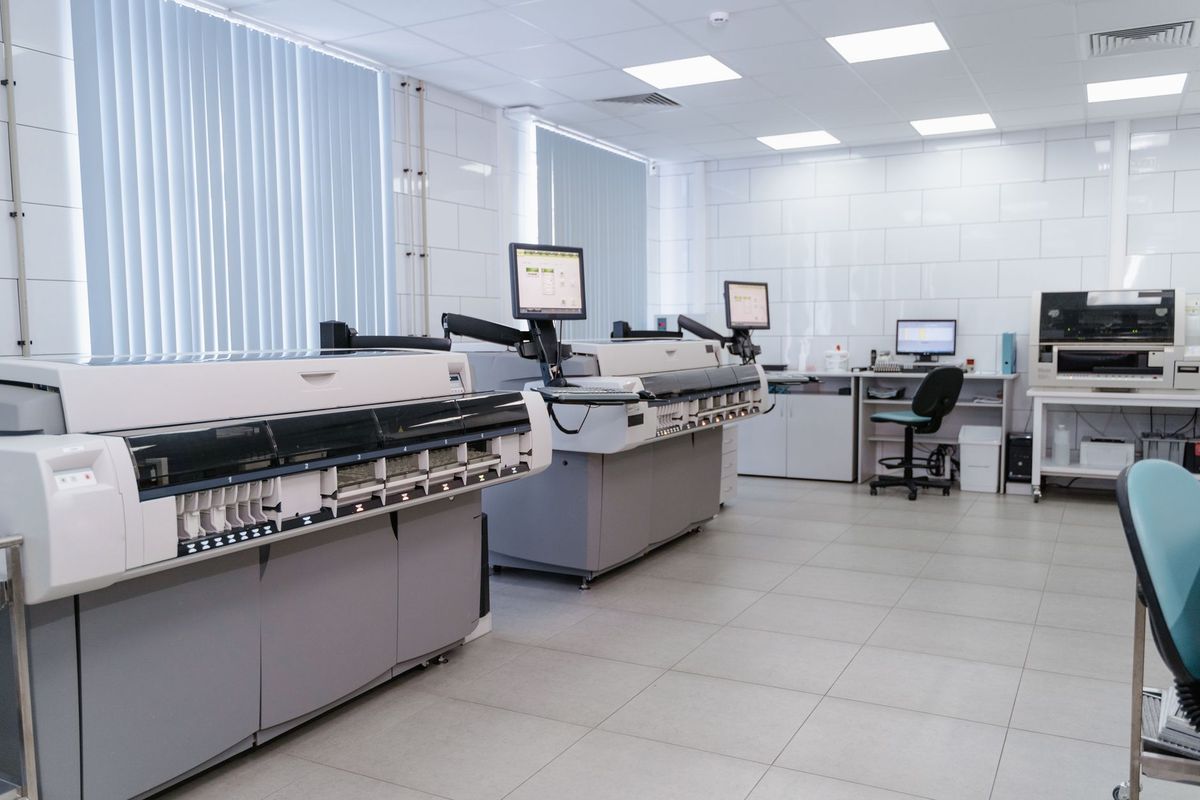
Furthermore, medical technology is not immune to extreme weather. Sensitive diagnostic equipment, electronic health record servers, and medication storage units all rely on precise temperature regulation. Recent incidents involving equipment malfunctions due to overheating demonstrate that a heatwave compromises more than just patient comfort; it threatens the very core of hospital operations and diagnostic accuracy.
Recognizing heatwaves as a systemic public health crisis rather than a temporary weather inconvenience changes how resources are allocated. It forces healthcare administrators to invest in infrastructure upgrades, robust ventilation systems, and emergency cooling protocols well before the summer sun begins to beat down on our cities.
Key Facts You Should Know
To grasp the full scope of how extreme weather impacts modern medicine, it helps to look at the intersection of climate science and public health. Here are several crucial developments and facts shaping the current medical response:
- Infrastructure Vulnerability: Many legacy hospital buildings were constructed decades ago without modern thermal insulation or scalable air conditioning, making indoor heat retention a major hazard.
- The Cascade Effect: High temperatures frequently worsen underlying mental health conditions, sleep disorders, and kidney function, leading to diverse and unexpected medical admissions.
- Equipment Strain: Critical care technology and laboratory refrigerators require strict ambient temperature limits to prevent mechanical failures and spoiled pharmaceutical supplies.
- Staff Fatigue: Healthcare workers operating in overheated environments face heightened risks of exhaustion and dehydration, which can directly impact clinical decision-making and patient safety.
Common Mistakes and Misunderstandings
One of the most persistent errors in public perception is assuming that heatwaves only affect people who spend strenuous hours outdoors. In reality, a significant percentage of severe heat-related medical emergencies occur indoors, particularly in poorly ventilated homes or care facilities lacking adequate cooling technology. Recognizing that your living room can become a heat trap is essential for effective prevention.
Another common misconception is that hydration alone is a magical shield against high temperatures. While drinking water is undeniably critical, it does not stop physiological strain when ambient humidity prevents sweat from evaporating efficiently. Public health messaging must evolve to educate communities on holistic cooling strategies, such as utilizing community cooling centers, wearing lightweight fabrics, and modifying daily activity schedules.
Finally, administrative bodies sometimes treat heat preparedness as a short-term budgetary expense rather than a long-term investment in public health resilience. Failing to budget for climate adaptation inevitably results in much higher emergency spending later, through strained staffing budgets, emergency repairs, and preventable hospital admissions.
Practical Takeaways for Health and Safety
Adapting to a warmer future requires actionable steps at both the systemic and individual levels. Healthcare providers are increasingly focusing on proactive community outreach before temperatures peak, identifying high-risk individuals, and ensuring clear communication channels are open. Staying informed and prepared can drastically reduce your personal risk during a medical weather emergency.
- Monitor Local Advisories: Pay close attention to public health warnings regarding extreme temperatures and air quality indices in your area.
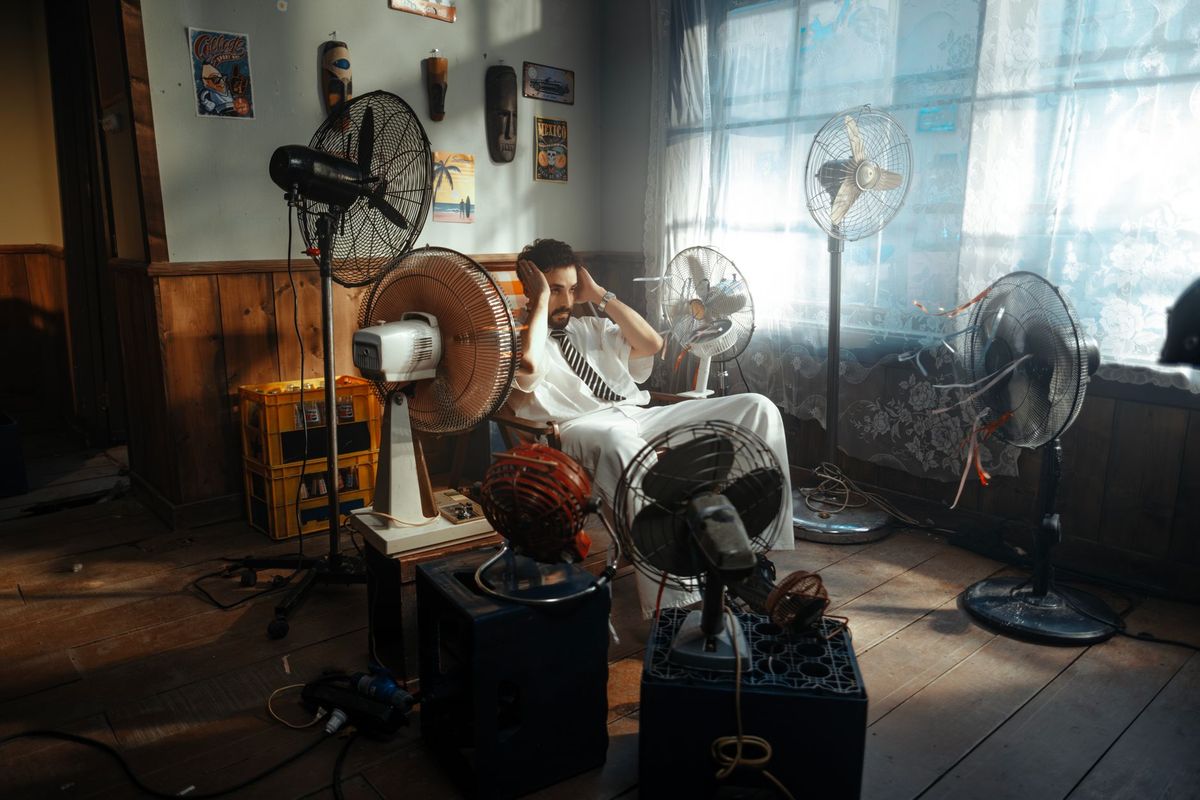
- Keep Your Living Space Cool: Utilize blinds, curtains, and cross-ventilation during cooler parts of the day to minimize indoor heat buildup.
- Check on Vulnerable Neighbors: Elderly relatives and neighbors often need assistance managing their environment during a heatwave. Make wellness check-ins a routine habit.
- Recognize Early Symptoms: Learn to spot early signs of heat illness—such as dizziness, nausea, headache, and excessive fatigue—and seek medical advice promptly if symptoms persist.
Frequently Asked Questions
Why are heatwaves compared to winter pressures in healthcare?
Answer: Both seasons cause predictable surges in emergency department visits and hospital admissions. Just as winter brings a spike in respiratory viruses, prolonged extreme heat triggers spikes in cardiovascular events, dehydration, and chronic illness flare-ups, straining hospital capacity to its limits.
How do hospitals protect sensitive equipment during extreme heat?
Answer: Modern medical facilities are upgrading their HVAC systems, installing redundant cooling loops for critical server rooms, and implementing continuous temperature-monitoring alarms to prevent machinery and pharmaceutical storage units from overheating.
What can individuals do to stay safe during an extreme heatwave?
Answer: Stay well-hydrated, avoid strenuous outdoor activities during peak afternoon hours, wear loose-fitting clothing, keep your home as shaded as possible, and utilize air-conditioned public spaces if your home lacks climate control.
Final Thoughts
The intersection of climate change and public health is no longer a distant projection; it is an active reality that our medical systems must navigate every single year. Shifting our preparedness framework to treat summer heatwaves with the same urgency as winter crises is an essential step toward safeguarding both patients and healthcare workers. By investing in resilient infrastructure and proactive community care, we can mitigate the dangers of extreme weather.
Stay informed on the latest medical research, public health insights, and wellness updates by bookmarking Health Pulse Daily and subscribing to our newsletter for breaking health news delivered directly to your inbox.