Every parent wants to make the best decisions to keep their children safe, healthy, and thriving as they grow. Navigating the modern landscape of public health, medical advice, and parental choices can feel overwhelming, especially when conflicting messages circulate in the media. However, pediatricians, immunologists, and public health officials globally agree on one foundational pillar of modern medicine: childhood vaccinations save lives. When political figures or prominent voices suggest rolling back or discouraging routine immunization schedules, the medical community does not mince words. Describing such moves as unconscionable is not a rhetorical flourish; it is a stark reflection of the preventable tragedies that occur when herd immunity begins to fracture.
Why This Matters Right Now
Public health is uniquely fragile, relying heavily on high community-wide participation to protect the most vulnerable among us. Infants who are too young to receive certain shots, children undergoing cancer treatments, and individuals with compromised immune systems depend entirely on the people around them being vaccinated. When vaccination rates drop even by a few percentage points, pathogens that were once nearly eradicated find an opening to return.
Recent policy discussions and political rhetoric targeting established immunization guidelines have put the spotlight back on this critical issue. Experts are sounding the alarm because infectious diseases do not respect borders or political opinions. Measles, pertussis (whooping cough), and polio are relentless when they encounter unprotected populations. Understanding the urgency of this moment requires looking closely at how herd immunity functions in everyday settings like schools and local neighborhoods.
Furthermore, misinformation spreads rapidly across digital platforms, making it harder for everyday families to separate peer-reviewed medical research from unfounded rumors. Public health agencies are fighting an uphill battle against viral falsehoods that undermine decades of scientific progress. Protecting the integrity of childhood immunization schedules is essential for maintaining the safety net that modern medicine has built over the last century.
What the Latest Update Actually Means
When leadership in Washington or state capitals proposes changes to vaccine recommendations, the ripple effects touch every clinic, hospital, and classroom. Medical professionals stress that adjusting or questioning established vaccine protocols without robust scientific backing creates confusion and distrust. This is not just a bureaucratic shift; it is a change that directly impacts pediatric care delivery.
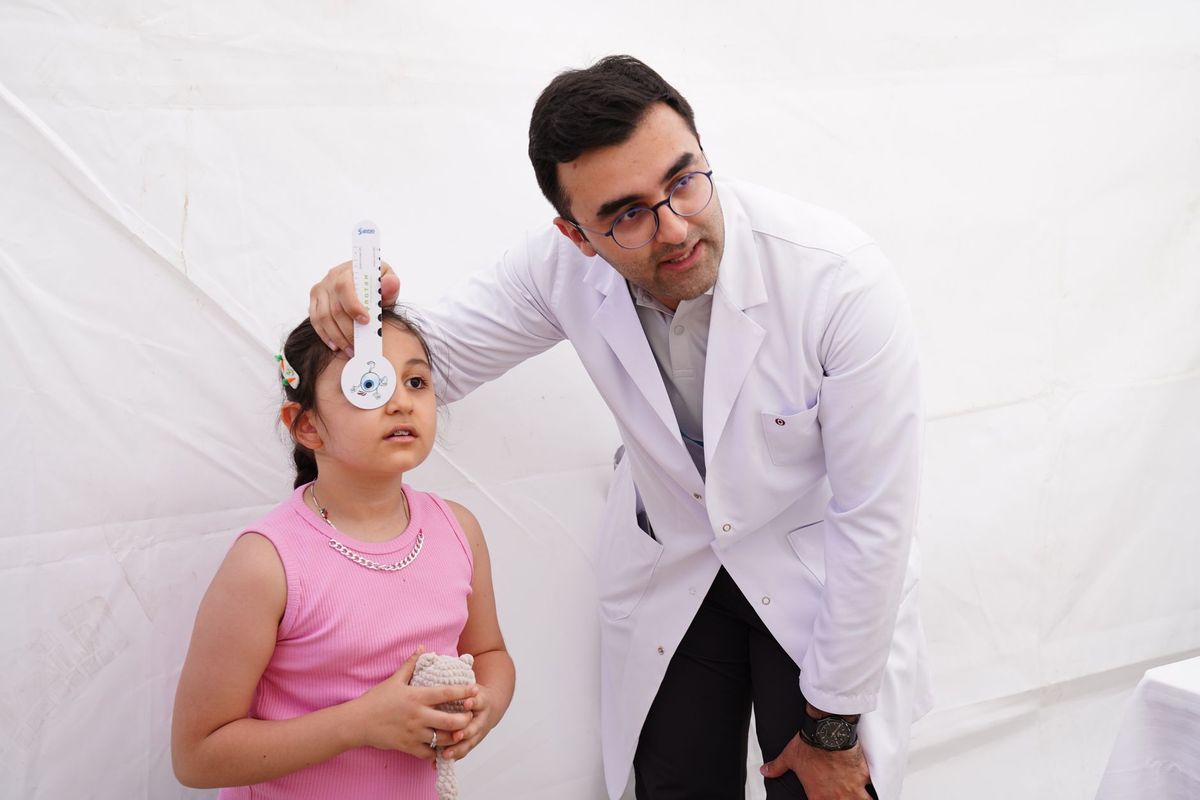
Pediatricians across the country report spending more time during routine check-ups addressing vaccine hesitancy sparked by recent headlines. Instead of focusing solely on developmental milestones and general wellness, doctors must re-explain basic immunology to parents who are understandably nervous. This diversion of clinical resources strains an already overburdened healthcare system.
Moreover, insurance coverage, school entry requirements, and public health funding are often tied to federal guidelines. If official stances become ambiguous, local health departments may struggle to maintain consistent immunization programs, leaving low-income and rural communities particularly vulnerable to outbreaks.
Key Facts You Should Know About Immunizations
When evaluating the safety and efficacy of childhood vaccines, it helps to look at the verifiable data collected by global health organizations. Medical research consistently demonstrates that vaccines undergo rigorous testing long before they ever reach a pharmacy or pediatrician’s office.
- Rigorous Testing: Every vaccine goes through years of laboratory evaluation and multiple phases of clinical trials involving thousands of diverse participants.
- Continuous Monitoring: Agencies like the CDC and FDA maintain ongoing post-market surveillance systems to detect and investigate any rare adverse events immediately.
- Eradication Success: Historically, routine vaccination is responsible for the complete eradication of smallpox and the near-global elimination of polio.
- Community Protection: High immunization rates create a biological shield, known as herd immunity, which protects infants and medically vulnerable individuals.
Common Mistakes and Misunderstandings
It is entirely normal for parents to have questions or anxieties about injecting substances into their children’s bodies. However, many fears stem from persistent myths that have been thoroughly debunked by decades of independent scientific inquiry.
One of the most common misconceptions is that natural immunity is always superior to vaccine-induced immunity. While contracting a disease naturally can sometimes confer strong protection, the price of admission is often severe complications, long-term disability, or death. Diseases like measles and chickenpox carry unpredictable risks that far outweigh the mild, transient side effects of a standard shot.
Another frequent error is assuming that cleaner water and better sanitation alone are responsible for the decline in infectious diseases. While hygiene certainly improves overall quality of life, historical data shows that disease rates plummeted precipitously precisely when specific vaccines were introduced to the public. Ignoring this timeline leaves communities dangerously exposed.
Practical Takeaways for Concerned Families
Navigating health decisions for your family requires reliable information and open communication with qualified professionals. If you are feeling uncertain about your child’s immunization schedule, take proactive steps to ensure you are getting facts rather than fear.
- Consult your primary pediatrician or family doctor rather than relying on social media posts or unverified online forums.
- Review official public health resources from trusted medical bodies such as the American Academy of Pediatrics or the World Health Organization.
- Keep an up-to-date immunization record for school, travel, and routine health maintenance.
- Talk openly about your concerns during appointments so your doctor can address your specific questions with empathy and evidence.
Frequently Asked Questions
Question: Are childhood vaccines safe for infants with sensitive immune systems?
Answer: Yes. Pediatricians evaluate each child’s health history to ensure they are ready for specific immunizations. For most children, standard vaccines are safe, effective, and crucial for building early immunity against dangerous pathogens.
Question: Why do some children experience side effects after getting a shot?
Answer: Mild side effects like low-grade fever, soreness at the injection site, or mild fussiness are normal signs that the immune system is actively responding and building protection against the disease.
Question: Can a vaccine actually give a child the disease it is designed to prevent?
Answer: Most routine childhood vaccines contain either killed pathogens or tiny, harmless fragments of the virus or bacteria, meaning they cannot cause the actual illness.
Question: What should I do if I missed a scheduled vaccine dose for my child?
Answer: Do not panic. Contact your pediatrician to schedule a catch-up vaccination plan that safely gets your child back on track.
Final Thoughts
The conversation surrounding childhood vaccinations goes far beyond politics or policy debates—it is fundamentally about protecting the health and future of the next generation. When public figures undermine established medical science, the real-world consequences are borne by innocent children who deserve a healthy start in life. Maintaining robust immunization rates is a shared social responsibility that requires vigilance, education, and unwavering trust in medical research.
If you found this public health update informative, please share this article with a parent or community member who cares about children’s wellness. Subscribe to Health Pulse Daily for ongoing breaking health news, medical research updates, and expert insights delivered straight to your inbox.