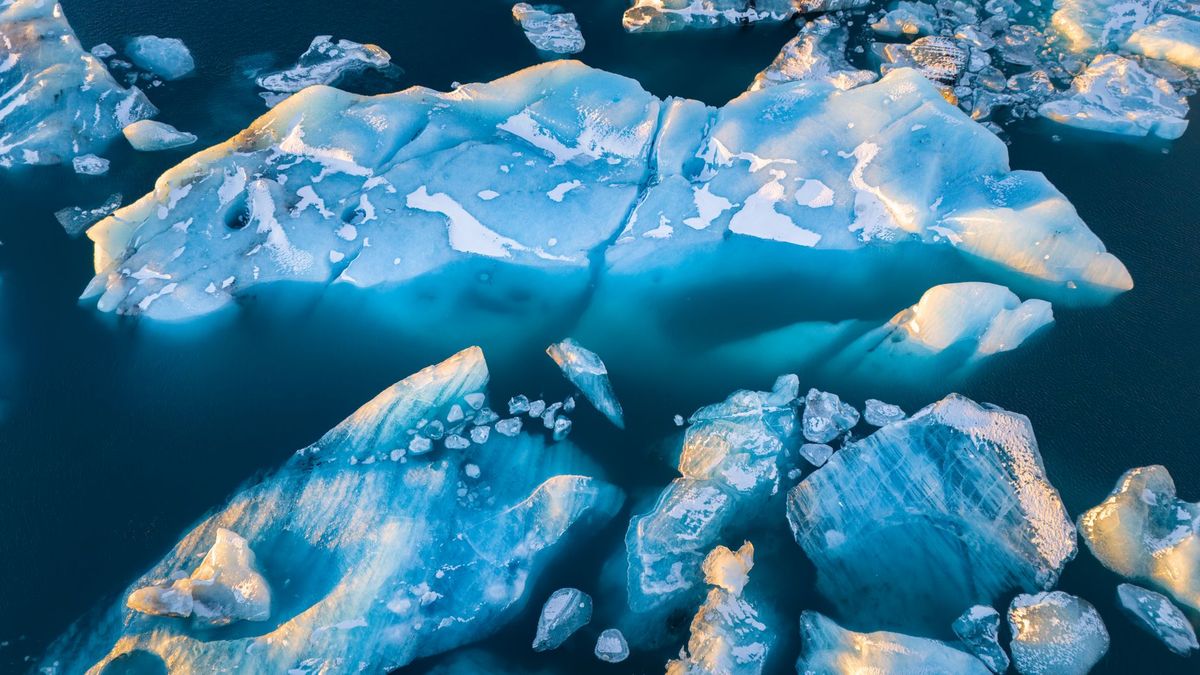
When environmental policy shifts, the headlines usually focus on ice caps, polar bears, and rising sea levels. But behind those sweeping geographical changes lies a much more immediate, pressing human story that affects every single one of us. For two decades, the Arctic Report Card has served as an essential check-up on the top of the world, tracking the rapid transformation of a region that acts as Earth’s natural air conditioner. Now, with the sudden decision by the Trump administration to dismantle this flagship annual report, we are losing a vital early-warning system for our collective well-being. This isn’t just about lost data points on melting ice; it is about blinding ourselves to emerging pathogens, climate-driven health hazards, and shifting disease vectors before they reach our front doors.
Why Climate Data and Public Health Are Inextricably Linked
Most people do not immediately connect meteorology and climatology with human medicine, yet the health of our environment dictates the health of our communities. When temperatures in the Arctic rise at nearly four times the global average, the biological ripple effects are profound. Permafrost that has been locked away for millennia begins to thaw, potentially releasing ancient microbes, bacteria, and chemical pollutants back into the biosphere. Without continuous, peer-reviewed monitoring like the Arctic Report Card, public health officials lose their baseline for anticipating these ecological shocks.
Tracking environmental metrics allows epidemiologists to model how changing weather patterns will impact air quality, water safety, and vector-borne illnesses across North America and beyond. When you pull funding and institutional support from long-term tracking projects, you create a dangerous information vacuum. It leaves medical researchers guessing rather than preparing, shifting our entire public health infrastructure from a proactive stance to a reactive scramble.
Furthermore, Indigenous communities living in the Arctic serve as the canaries in the coal mine for these environmental health shifts. Their traditional ways of life, food security, and mental well-being are directly threatened by rapid ecosystem degradation. Ignoring the data coming out of the North means turning a blind eye to populations already experiencing the sharp end of modern environmental transformation.
What the Loss of the Arctic Report Card Actually Means
Data is the currency of modern medicine and disease prevention. The Arctic Report Card was uniquely valuable because it synthesized complex scientific observations from international teams into actionable insights for policymakers, researchers, and the public. Losing this centralized synthesis means that crucial environmental health indicators will become fragmented, buried in academic journals, or simply uncollected.
Consider the logistical challenges this creates for global health preparedness:
- Scientists lose a standardized historical baseline to measure year-over-year climate-driven changes.
- Public health agencies miss critical windows to prepare for zoonotic disease spillover risks tied to thawing permafrost.
- International cooperation on Arctic health initiatives faces a sudden roadblock without shared institutional reporting.
- Funders and policy makers lack the clear, digestible metrics needed to allocate resources effectively where they are needed most.
When you dismantle established reporting mechanisms, you do not make the underlying problem go away; you simply ensure that fewer people are paying attention until a crisis forces their hand.
The Rising Threat of Thawing Permafrost and Ancient Pathogens
One of the most concerning aspects of a warming Arctic is what lies dormant beneath the frozen soil. Permafrost holds a frozen archive of organic matter, including ancient viruses and bacteria that modern human immune systems have never encountered. While sensationalized media stories sometimes exaggerate these risks, the legitimate scientific consensus is clear: thawing ground poses a genuine, long-term biosafety challenge.
Routine monitoring helps researchers identify high-risk areas where permafrost degradation is accelerating near human settlements or water sources. Without comprehensive reports mapping these changes, local authorities have less guidance on where to invest in resilient infrastructure, water treatment upgrades, and community health screenings. Prevention relies entirely on knowing where the vulnerabilities lie before an outbreak or contamination event occurs.
Key Public Health Takeaways Moving Forward
As official reporting mechanisms shift and traditional oversight faces political headwinds, the medical and scientific communities must adapt to ensure public safety remains a priority. Awareness is the first line of defense when institutional safeguards are weakened.
- Support Independent Science: Independent research institutions, universities, and international coalitions will need to pick up the slack left by defunded federal programs.
- Broaden Our Definition of Health: We must continue educating the public that environmental health is human health, inextricably linked from the poles to the equator.
- Demand Transparent Data: Citizens and advocates should press for continued transparency and open-access research regarding environmental shifts that impact public well-being.
Frequently Asked Questions
Why was the Arctic Report Card important for human health?
While focused on environmental changes, the report tracked variables like permafrost thaw, sea ice loss, and ecological shifts that directly influence the spread of disease vectors, water safety, and respiratory health risks on a global scale.
Can other countries or organizations replace this report?
International bodies like the Arctic Council and various independent research universities do publish valuable data, but losing a flagship U.S.-led annual synthesis reduces the global visibility, standardized tracking, and immediate policy impact of these findings.
How does climate change in the Arctic affect people living far to the south?
Arctic warming alters global jet stream patterns, drives extreme weather events, impacts global sea levels, and influences the release of environmental toxins and pathogens, meaning no region is truly isolated from polar changes.
Final Thoughts
The decision to shelve a vital scientific program like the Arctic Report Card is a step backward for evidence-based policymaking and proactive public health. When we choose to look away from changing environmental realities, we leave our healthcare systems vulnerable to preventable surprises down the road. Protecting human health requires looking at the big picture—from the microbes in our soil to the ice melting at the top of the world.
Stay informed, support independent medical and environmental research, and never underestimate how deeply your personal wellness is connected to the health of the planet. Bookmark Health Pulse Daily and subscribe to our newsletter for ongoing updates on public health, medical research, and the stories that matter most to your wellaya.